
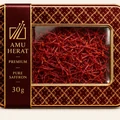
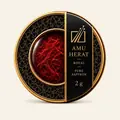
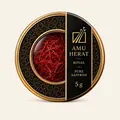
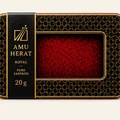
About us
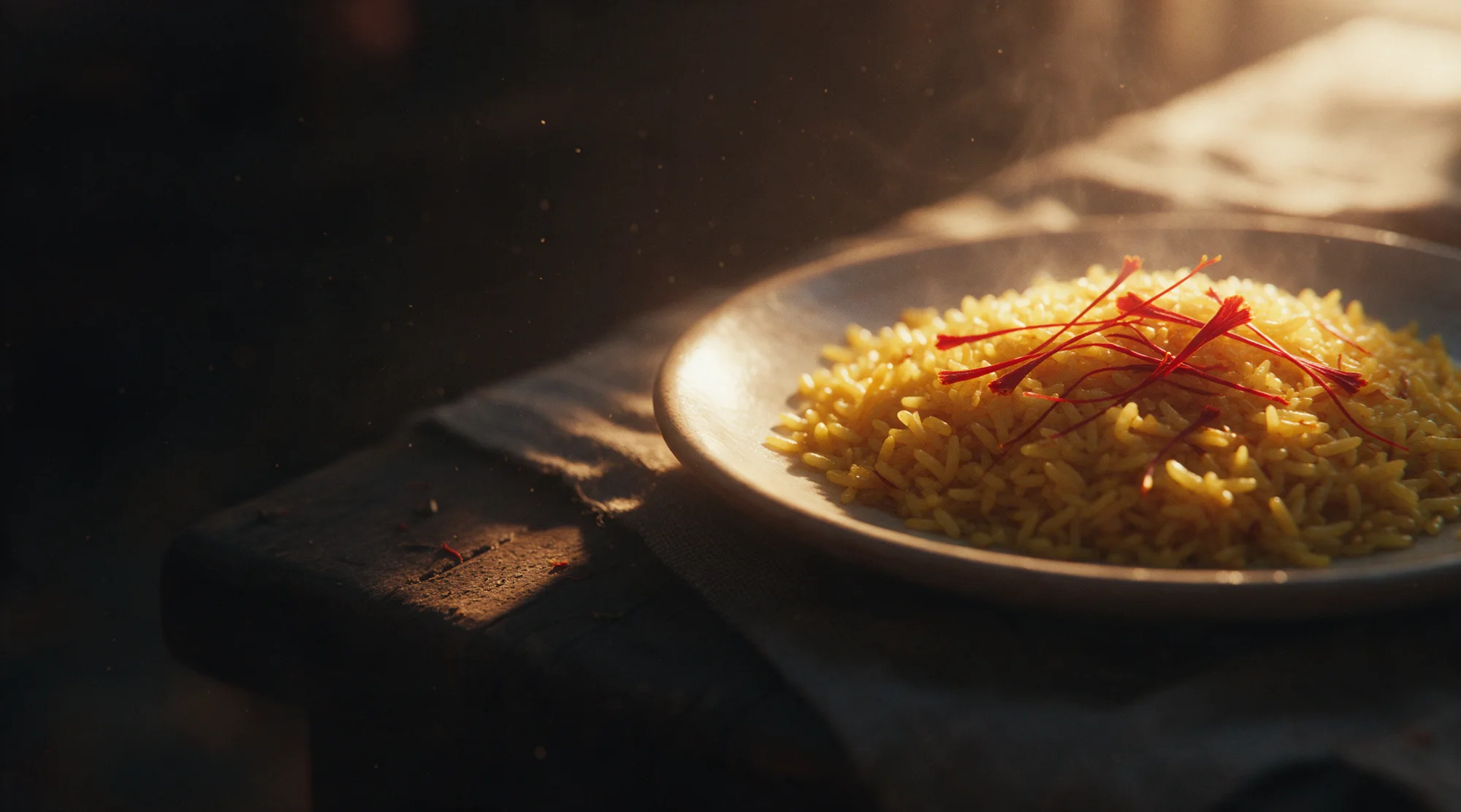
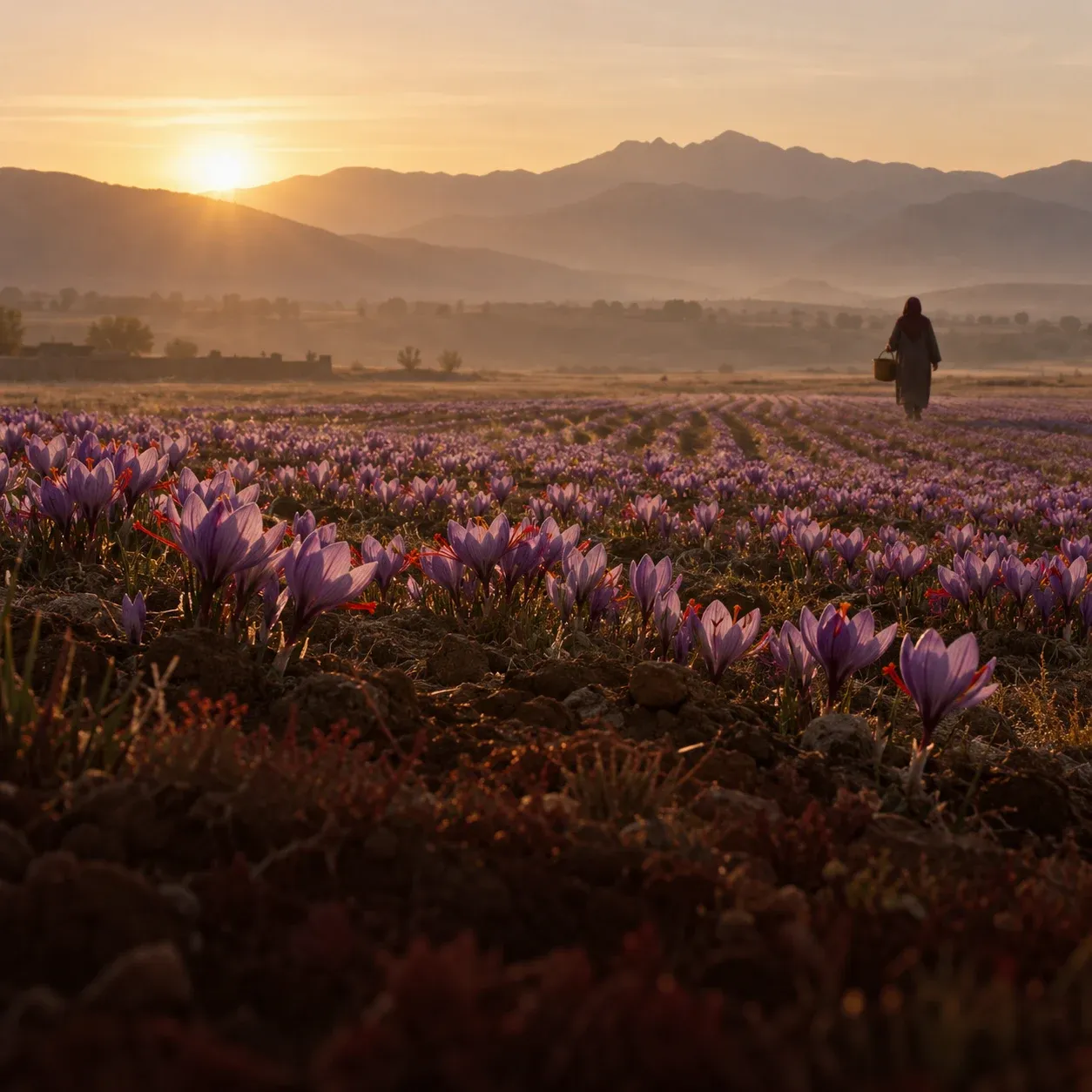
AMU-Trade Kereskedelmi Kft., since 2019. We bring the saffron from the fields of Herat province, and every shipment is lab-tested, both in Afghanistan and in the EU.
Our company
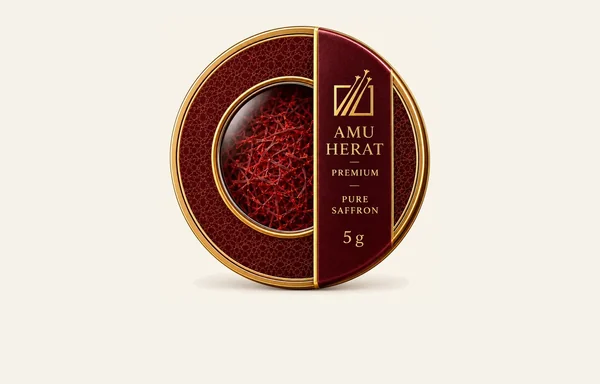
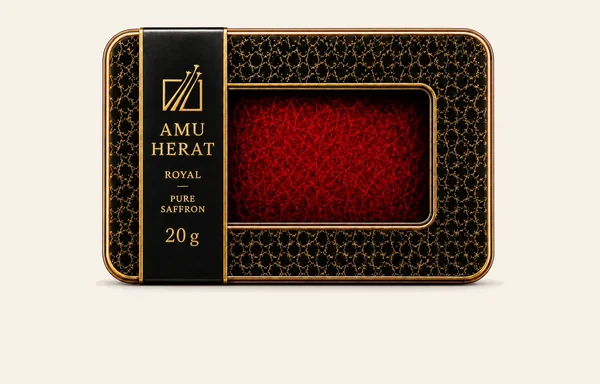
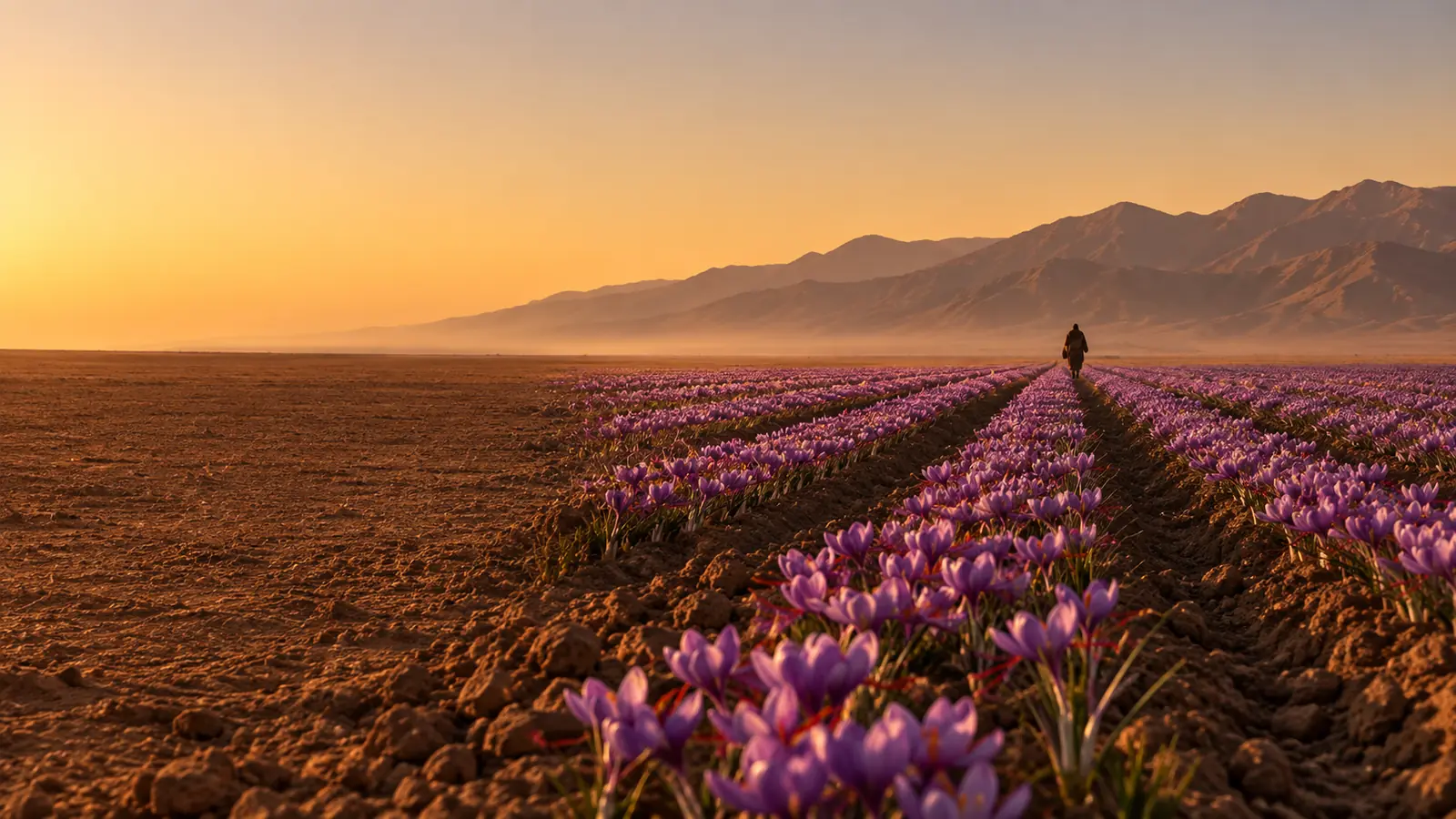
AMU-Trade has been established in 2019 as a leading supplier of high-quality saffron to the European countries at competitive prices. We focus on marketing and promoting of top quality saffron that is originating from Herat province, Afghanistan.
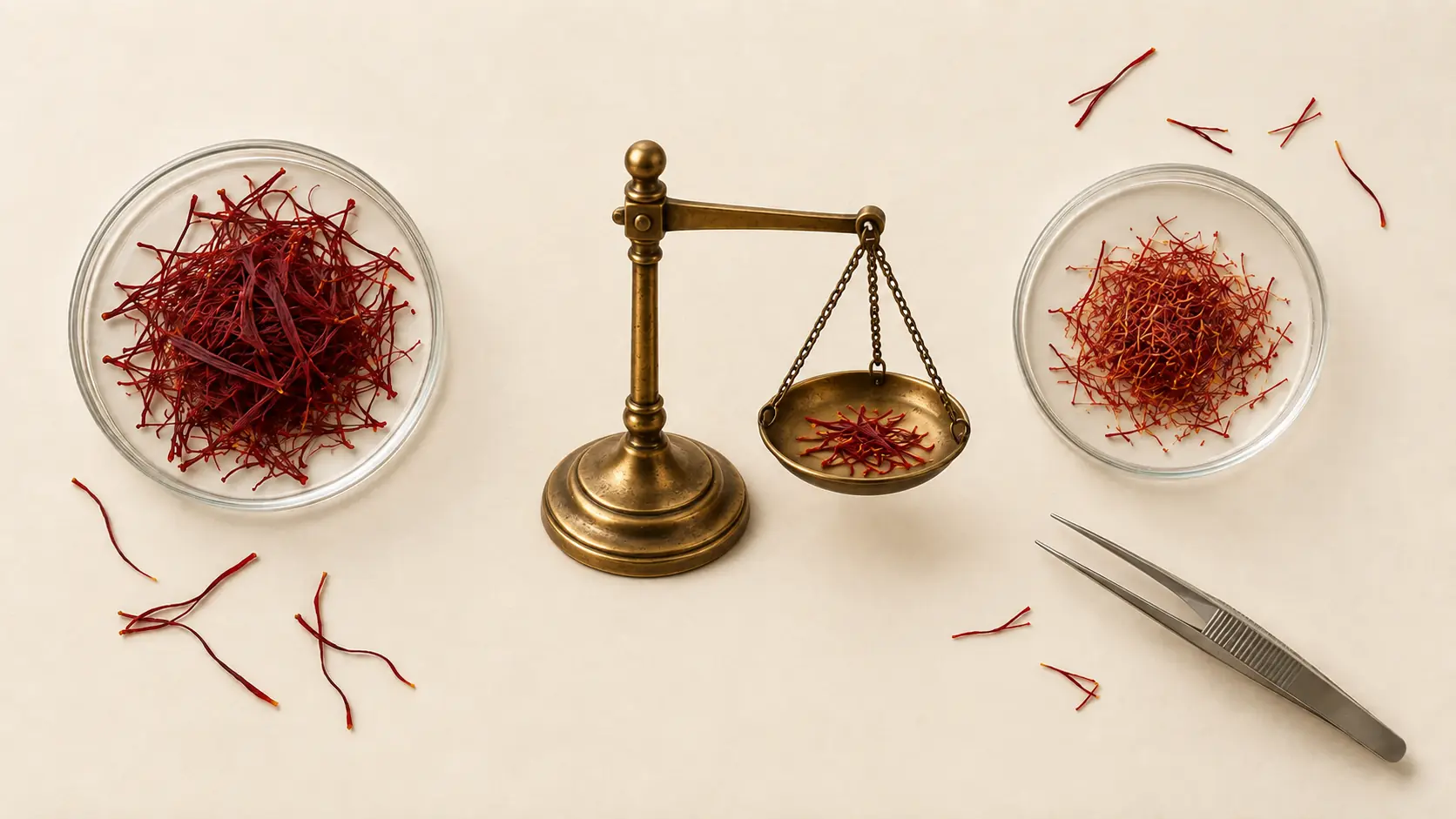
We deliver you the best of the Afghan saffron with the top varieties of negin and supernegin. Each shipment from Afghanistan is tested and analysed in certified laboratory environment for highest quality, both in the country of origin and in the EU.
Herat province is the most recognized area for cultivating saffron in the world: it is to saffron what Bordeaux is for wines or Hungary for paprika.
Europe learned it from Afghanistan
Saffron is one of the most valuable plants in the world. It is used as a spice in Europe, the Americas and the Middle East, and as a traditional medicine in the Far East. A single gram takes the stigmas of roughly 150 flowers, so both cultivation and harvesting require a lot of work. The saffron plant grows exclusively in special climatic conditions: it likes long, warm summers, cold, dry winters, calcareous, semi-desert soils and windy weather.
-
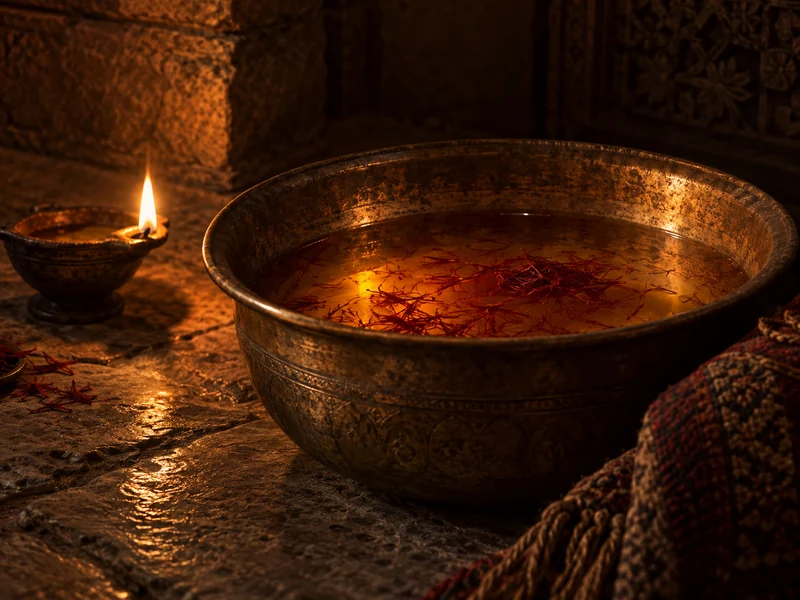
c. 1500 BC
Herat and Persia
The first traces of human use of saffron take us back to the lands of ancient Afghanistan and Persia, some three and a half thousand years ago. Macedonian emperor Alexander the Great was once the lord of the known world, uniting Greece, conquering Asia Minor and Egypt, subjugating Persia, but the warlike Afghan tribes had stopped his expansion. According to historians, the great emperor became acquainted with saffron in what is now Afghanistan during his protracted wars: after the battles he bathed in warm saffron soaked water to heal his wounds faster.
-
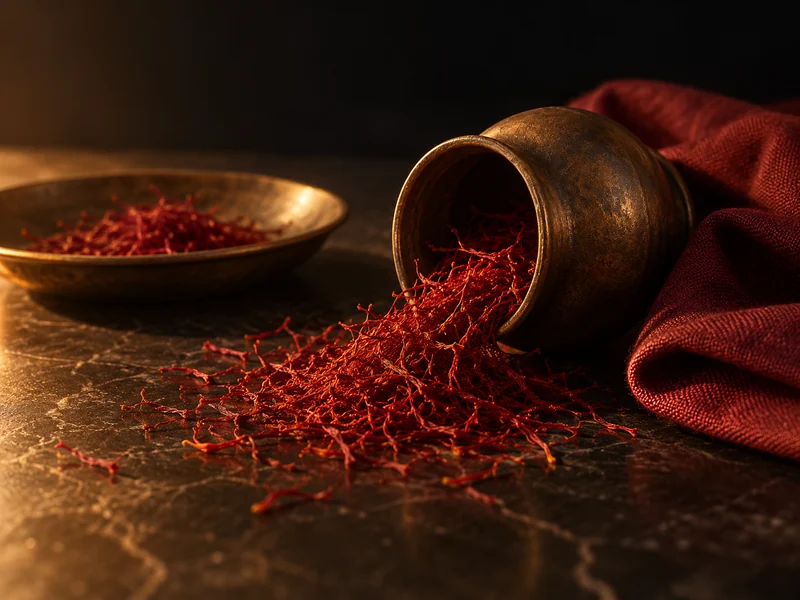
late 4th century BC
Macedonia and Greece
After the death of the emperor his retreating soldiers took the spice with them to the territory of Macedonia and Greece, which soon became a status symbol, a badge of royal luxury in the region. Saffron was ascribed to numerous beneficial effects that ranged from medicinal to cosmetic, including a cure for melancholy, a perfume, and a powerful aphrodisiac.
-
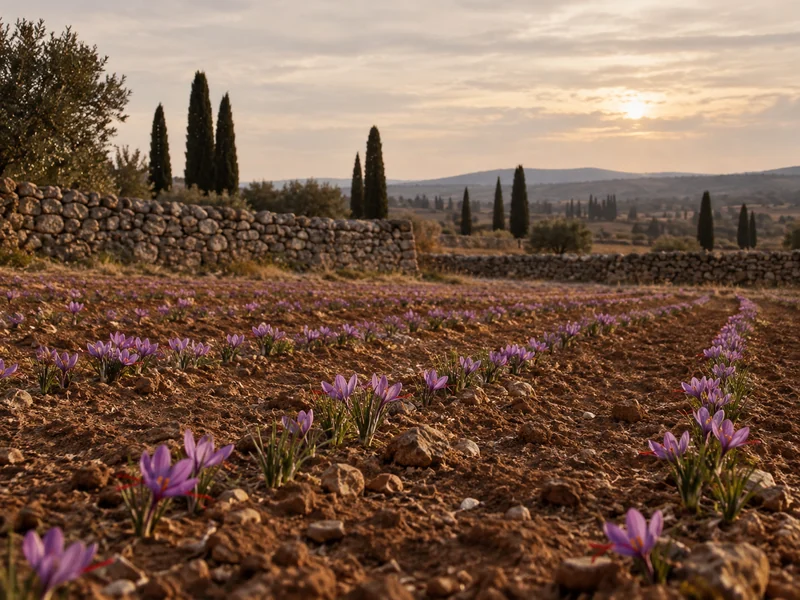
Today
Europe today
Today, saffron is cultivated in Europe in Macedonia, on the island of Sardinia, and in the province of Castile La Mancha in Spain, but their quality can only approach that of the original Afghan saffron.
Saffron in Afghanistan
Saffron is cultivated in Afghanistan for thousands of years. Today, saffron is grown in 7 provinces of the country. Saffron is promoted by the central and local governments as an alternative crop to illegal opium production with an emphasis on its remarkable margin, the country's comparative advantage, economic sustainability and women's economic and social empowerment. The aim of the campaign is to give a new livelihood opportunity to traditional communities that are long dependent on either illegal or low-income crops.
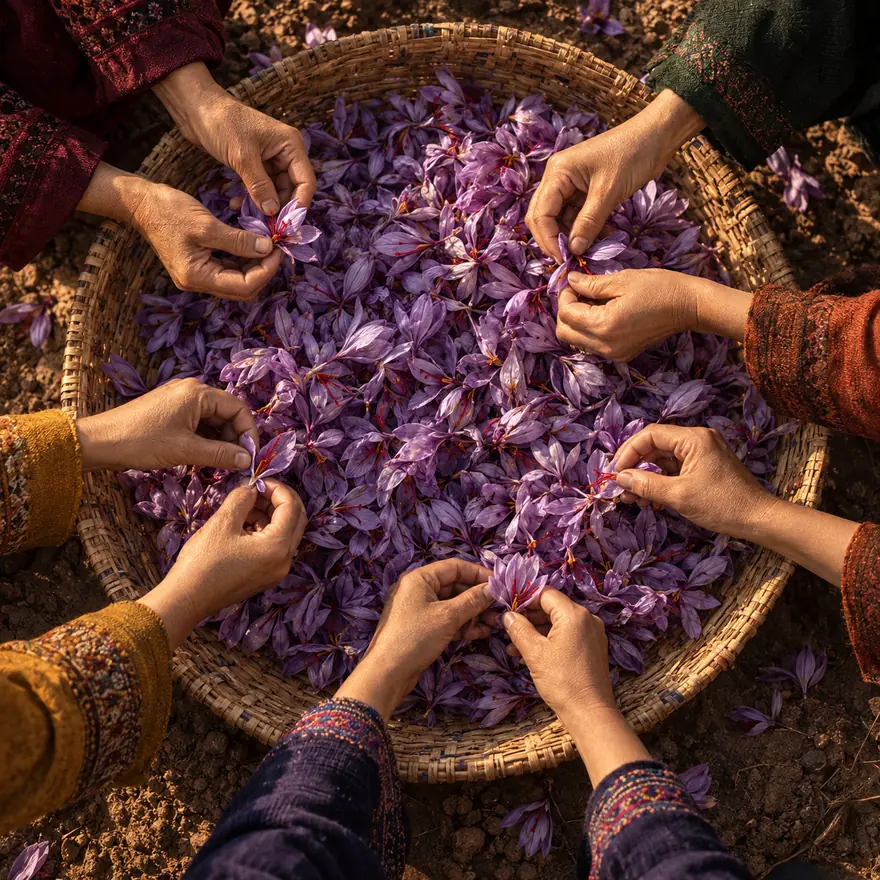
In a country plagued by foreign aggression and civil war for many years, making a living is not easy: for a long time, the only chance for farmers to survive was to grow opium illegally. Today, the situation has improved a lot and the country has moved towards peace, but life is still precarious. Saffron provides a legal source of income: harvesting and sorting are done by hand and give local families a living.
Behind the company

Mosini Jawad
CEO
AMU-Trade Kereskedelmi Kft., since 2019. We bring the strands from Herat, and every shipment is lab-tested, both in Afghanistan and in the EU.
Saffron is a food. The effects mentioned in the historical section are attributions of their era, not health claims. Colouring strength under ISO 3632 is the value reported by AMU-Trade.