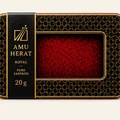

The Saffron
Colour, aroma and flavour in a single thread.
What saffron brings to food, and how the world’s kitchens use it. Saffron is a food: we make no health claims.
What it is used for
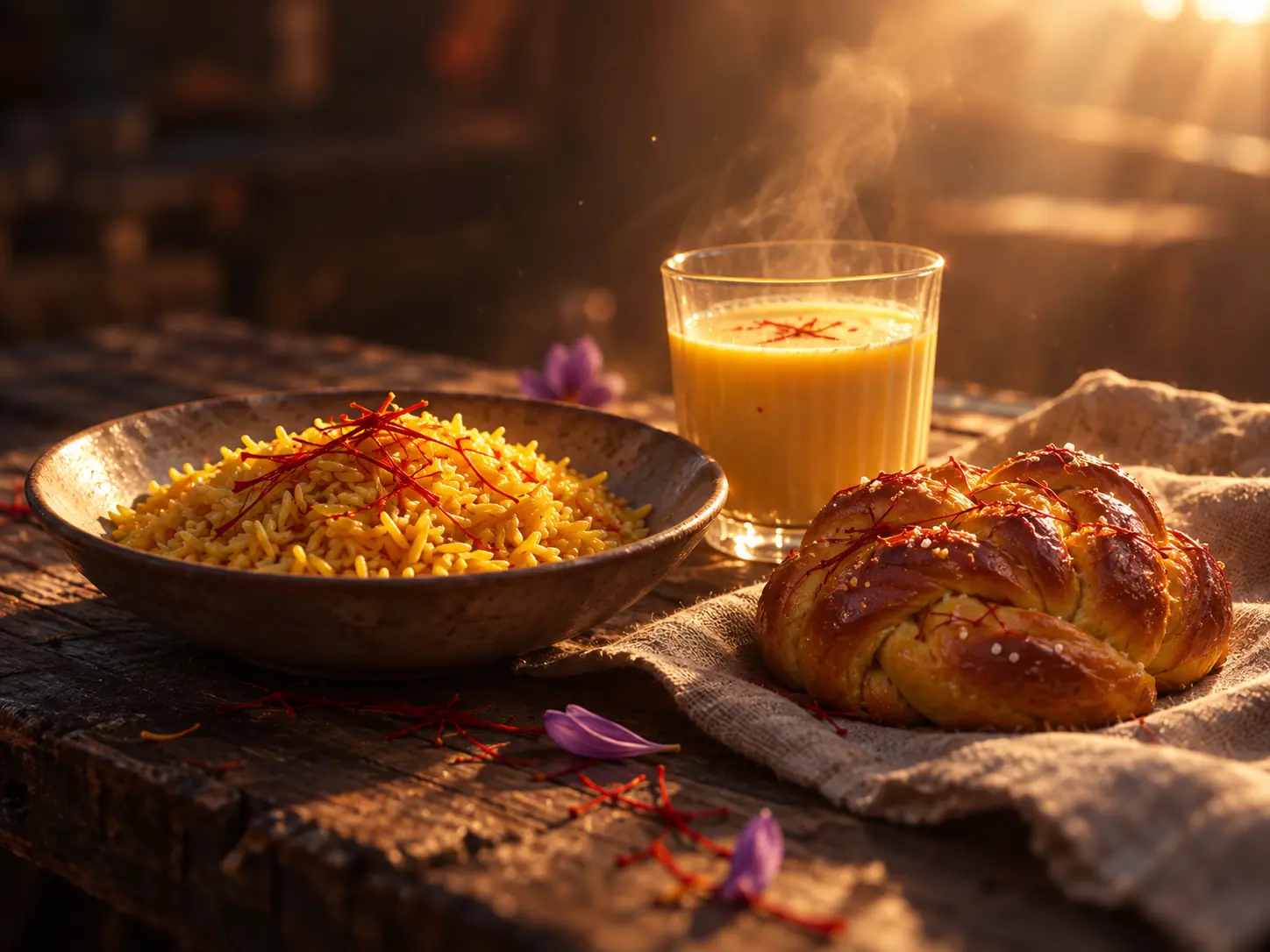
A staple of Persian, Indian, Spanish and Italian kitchens, and present in traditional medicine for millennia. We recommend it for cooking; we make no health claims.
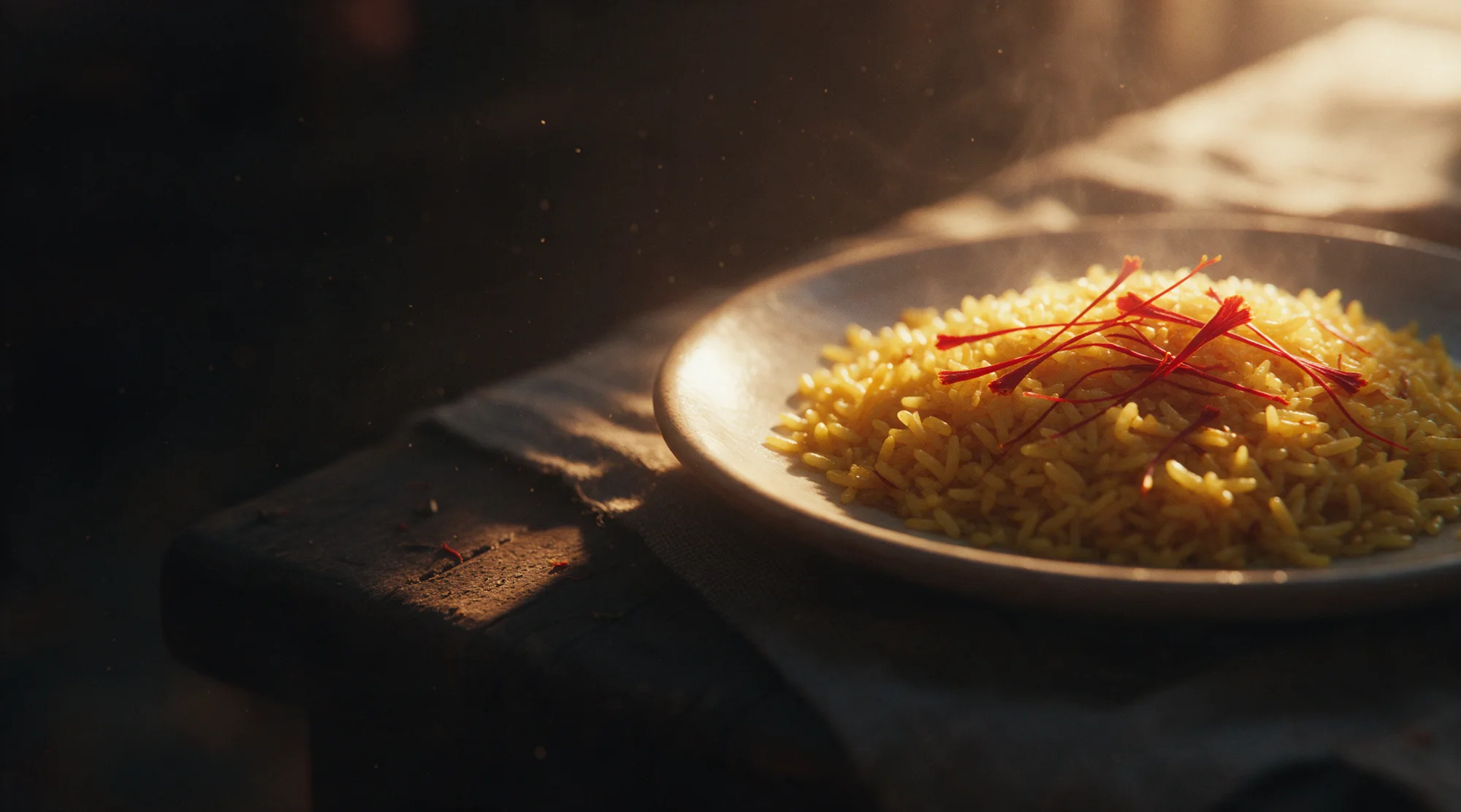
- Risotto, pilaf, paella
- Fish soup and shellfish
- Saffron milk and tea
- Buns, pastry, ice cream
- Marinades, sauces, butter
- Festive table, gifts
What it brings to food
Three things no other spice does at once. The laboratory measures all three, according to ISO 3632.
-
Colour
A deep golden colour for rice, dough and sauces, with no artificial colouring. Crocin is responsible for it.
-
Aroma
Honeyed, hay-like, softly floral. It comes from safranal, and steeping brings it out.
-
Flavour
Gently bitter and long on the palate. It comes from picrocrocin; a pinch is enough, more is not better.
All about saffron
- Benefits Colour, aroma and flavour
- How to use Three steps and kitchen tips
- How much should I use? Amounts, dish by dish
- How should I store it? Keep its colour and aroma
- Quality & Laboratory ISO 3632 and a real lab sheet
- Negin & Super Negin The selection grades
- FAQ Shipping, gifts, origin and more
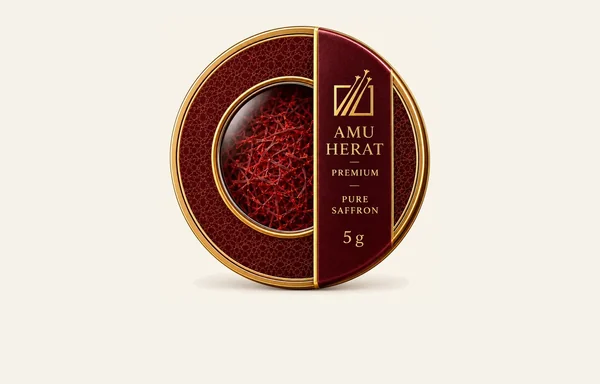
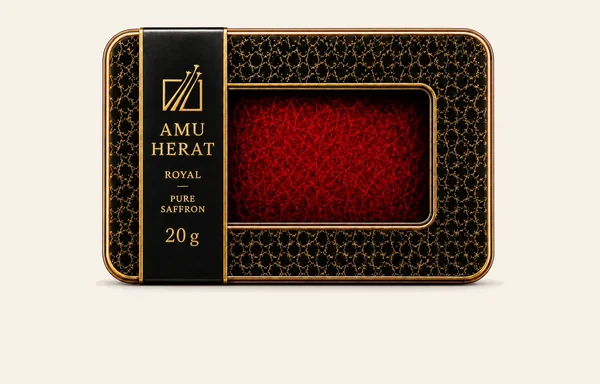
- Shop Premium and Royal, 1–30 g
Coloring strength to ISO 3632 (crocin absorbance), category targets: Premium 245–270+, Royal 270–300+. Actual laboratory results may differ depending on where and how the sample is tested (Afghanistan or the EU). Premium and Royal are AMU selections, not official ISO grades; grade I starts at 200. Saffron is a spice; this site makes no health claims.