






The Saffron
Steep it, then add it to the dish.
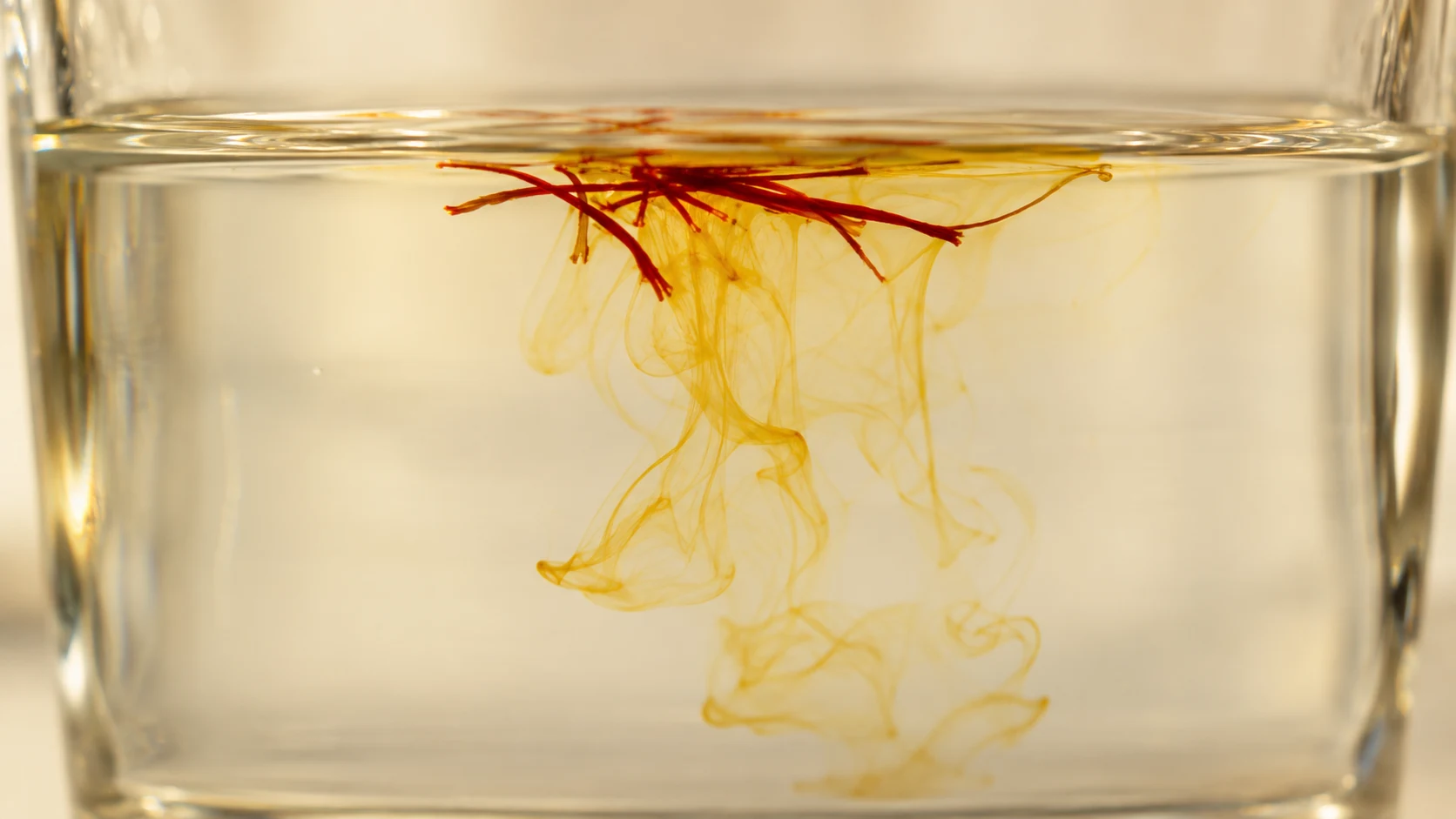
Saffron does not go into the pan dry. Three steps, and the thread releases its colour and aroma.
How to add it to food
Saffron does not go into the pot dry. It releases its colour and aroma when steeped.
-
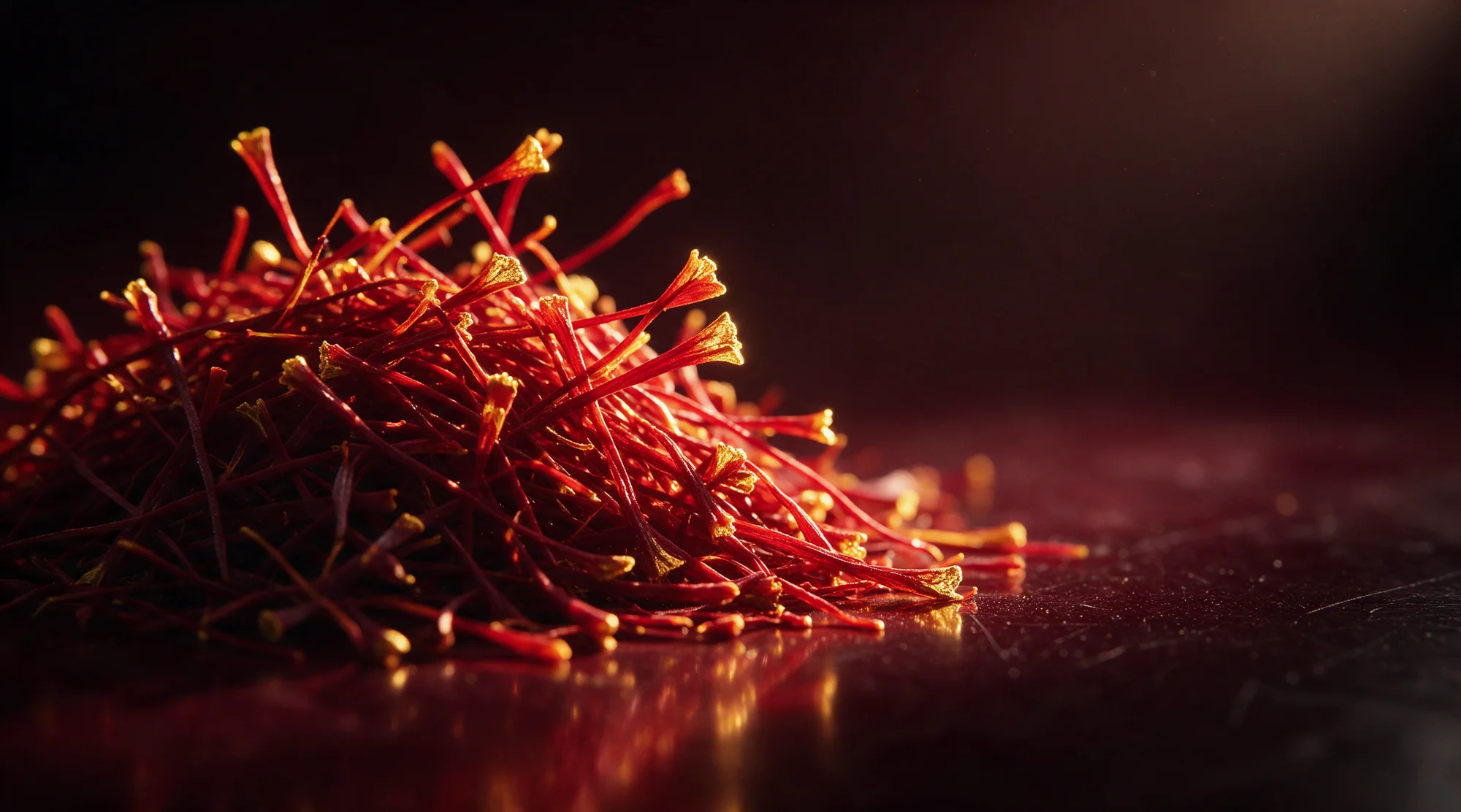
Pinch
10–15 threads serve four. Crumble between your fingers or in a mortar.
-
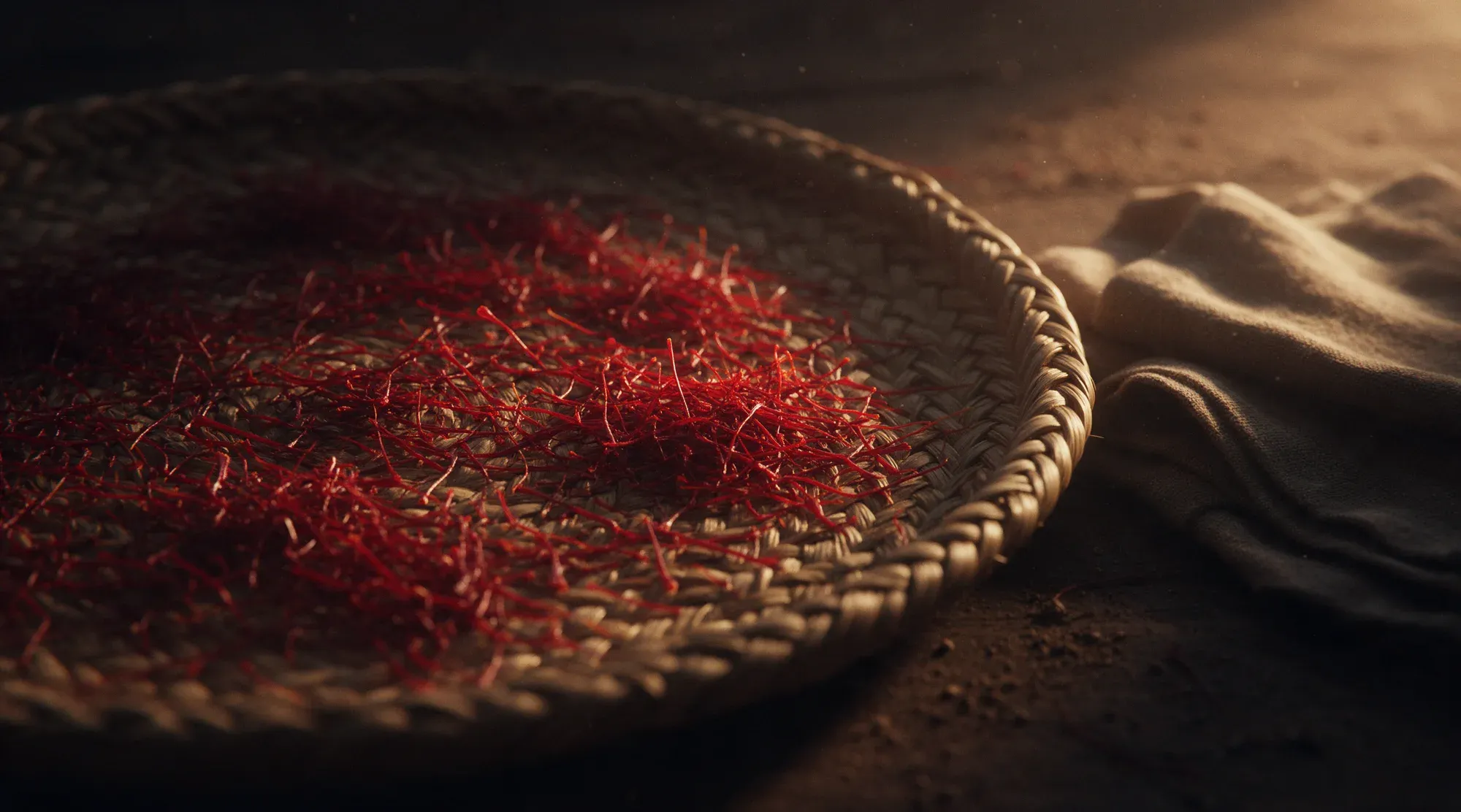
Steep
10 minutes in warm water, milk or stock. The liquid turns golden.
-
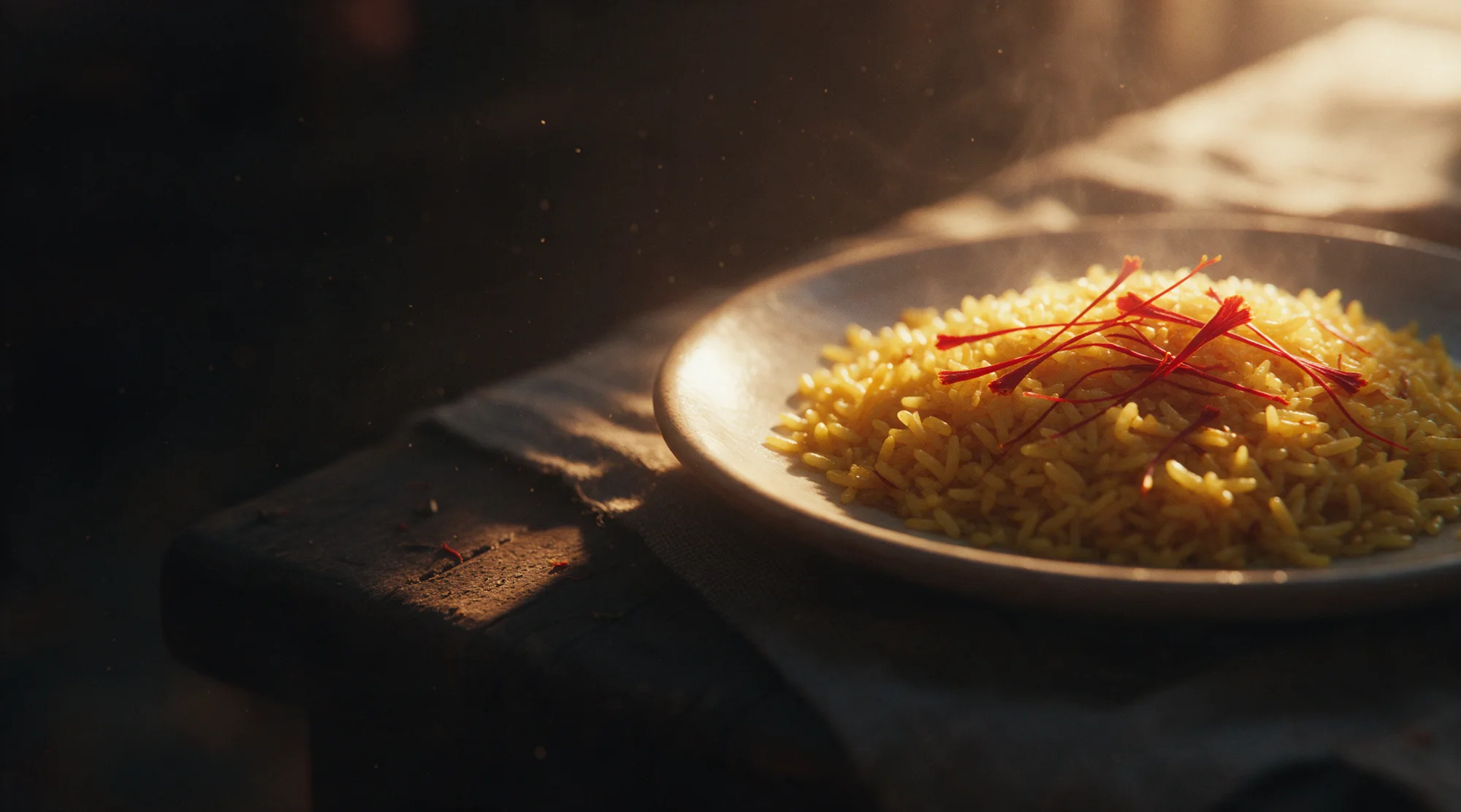
Into the dish
Together with the liquid, towards the end of cooking. That keeps the aroma.
Tips from the kitchen
-
Warm, not hot
Steep it in warm water, milk or stock. Hot liquid colours faster but loses more of the aroma.
-
Longer means deeper
Ten minutes is enough. For bread and pastry you can steep it overnight in the fridge, in the milk for the dough.
-
Add it at the end
Stir it in, with its steeping liquid, in the last quarter of cooking. That is how the aroma stays.
-
Crumble or grind
Crumble it between your fingers, or grind it in a mortar with a pinch of sugar: it colours more evenly.
-
Not into hot fat
In hot oil or butter it burns quickly and turns bitter. Always add it together with liquid.
-
Start with less
Too much saffron tastes bitter and medicinal. Start with less, and add more next time.
All about saffron
- Benefits Colour, aroma and flavour
- How to use Three steps and kitchen tips
- How much should I use? Amounts, dish by dish
- How should I store it? Keep its colour and aroma
- Quality & Laboratory ISO 3632 and a real lab sheet
- Negin & Super Negin The selection grades
- FAQ Shipping, gifts, origin and more
- Shop Premium and Royal, 1–30 g
Coloring strength to ISO 3632 (crocin absorbance), category targets: Premium 245–270+, Royal 270–300+. Actual laboratory results may differ depending on where and how the sample is tested (Afghanistan or the EU). Premium and Royal are AMU selections, not official ISO grades; grade I starts at 200. Saffron is a spice; this site makes no health claims.